



The Driver Performance Project Engineer leads safety strategies for virtual controls, ensuring regulatory compliance and evaluating driver interaction and workload. Responsibilities include risk assessment, interface with various teams, and safety performance requirements development.
Description
At General Motors, our product teams are redefining mobility. Through a human-centered design process, we create vehicles and experiences that are designed not just to be seen, but to be felt. We're turning today's impossible into tomorrow's standard -from breakthrough hardware and battery systems to intuitive design, intelligent software, and next-generation safety and entertainment features.
Every day, our products move millions of people as we aim to make driving safer, smarter, and more connected, shaping the future of transportation on a global scale.
The Role
General Motors is dedicated to enhancing product safety through driver performance safety research relative to advanced crash avoidance technologies and crash protection strategies. The Global Product Safety, Systems, and Certification organization is looking for a proactive "Driver Performance Project Engineer" to lead safety strategy studies and develop requirements for virtual controls, requiring a high degree of creativity, initiative, collaboration, and independent judgment.
As GM accelerates the move to virtualize more physical controls into screen-based Human-Machine Interfaces (HMI), this role:
The core scope of this role is the safety and regulatory robustness of virtualized controls, informed by strong understanding of driver interaction, workload, and in vehicle user experience, and embedded early in vehicle development so that safety and regulatory constraints drive architecture, not late fixes.
What You'll Do
Regulatory, Certification, Industry Alignment
Safety Requirements, Risk Evaluation & Framework for Virtual Controls
Program Integration and Documentation
Cross Functional Leadership & Continuous Improvement
General
Your Skills & Abilities (Required Qualifications)
What Will Give You A Competitive Edge (Preferred Qualifications)
GM does not provide immigration-related sponsorship for this role. Do not apply for this role if you will need GM immigration sponsorship now or in the future. This includes direct company sponsorship, entry of GM as the immigration employer of record on a government form, and any work authorization requiring a written submission or other immigration support from the company (e.g., H1-B, OPT, STEM OPT, CPT, TN, J-1, etc.)
This role is categorized as hybrid. This means the selected candidate is expected to report to a specific location at least 3 times a week {or other frequency dictated by their manager}.
The selected candidate will be required to travel <25% for this role.
This job may be eligible for relocation benefits.
This position requires the ability to legally operate a motor vehicle on a regular basis and successfully complete a Motor Vehicle Report review.
About GM
Our vision is a world with Zero Crashes, Zero Emissions and Zero Congestion and we embrace the responsibility to lead the change that will make our world better, safer and more equitable for all.
Why Join Us
We believe we all must make a choice every day - individually and collectively - to drive meaningful change through our words, our deeds and our culture. Every day, we want every employee to feel they belong to one General Motors team.
Total Rewards | Benefits Overview
From day one, we're looking out for your well-being-at work and at home-so you can focus on realizing your ambitions. Learn how GM supports a rewarding career that rewards you personally by visiting Total Rewards resources.
Non-Discrimination and Equal Employment Opportunities (U.S.)
General Motors is committed to being a workplace that is not only free of unlawful discrimination, but one that genuinely fosters inclusion and belonging. We strongly believe that providing an inclusive workplace creates an environment in which our employees can thrive and develop better products for our customers.
All employment decisions are made on a non-discriminatory basis without regard to sex, race, color, national origin, citizenship status, religion, age, disability, pregnancy or maternity status, sexual orientation, gender identity, status as a veteran or protected veteran, or any other similarly protected status in accordance with federal, state and local laws.
We encourage interested candidates to review the key responsibilities and qualifications for each role and apply for any positions that match their skills and capabilities. Applicants in the recruitment process may be required, where applicable, to successfully complete a role-related assessment(s) and/or a pre-employment screening prior to beginning employment. To learn more, visit How we Hire.
Accommodations
General Motors offers opportunities to all job seekers including individuals with disabilities. If you need a reasonable accommodation to assist with your job search or application for employment, email us [email protected] or call us at 1-800-865-7580. In your email, please include a description of the specific accommodation you are requesting as well as the job title and requisition number of the position for which you are applying.
At General Motors, our product teams are redefining mobility. Through a human-centered design process, we create vehicles and experiences that are designed not just to be seen, but to be felt. We're turning today's impossible into tomorrow's standard -from breakthrough hardware and battery systems to intuitive design, intelligent software, and next-generation safety and entertainment features.
Every day, our products move millions of people as we aim to make driving safer, smarter, and more connected, shaping the future of transportation on a global scale.
The Role
General Motors is dedicated to enhancing product safety through driver performance safety research relative to advanced crash avoidance technologies and crash protection strategies. The Global Product Safety, Systems, and Certification organization is looking for a proactive "Driver Performance Project Engineer" to lead safety strategy studies and develop requirements for virtual controls, requiring a high degree of creativity, initiative, collaboration, and independent judgment.
As GM accelerates the move to virtualize more physical controls into screen-based Human-Machine Interfaces (HMI), this role:
- Is accountable for the safety performance, risk assessment, and validation of virtual controls (for regulation compliance).
- Is responsible for the safety and regulatory evaluation of virtual control executions.
- Interfaces with multiple internal and external entities (Safety, OnStar, Marketing, Planning, Alliance, Government, Universities, User Experience, Driver Workload Lab etc.).
- Establishes the vision and roadmap of driver performance specifications for virtual controls.
- Harmonize virtual button strategy with driver distraction subject matter expert (Vehicle Performance Owner: Driver Distraction)
- Provides a clear Safety perspective to inform which controls can safely be virtualized, under what conditions, and with what safeguards.
- Ensures that decisions about virtualizing controls do not introduce unintended safety, driver workload, or regulatory risk.
- Design and request safety studies to evaluate virtual button placement
- Consistent contact with User Experience and Studio to ensure that the virtual button execution is safety strategy
- Presenting updates to Safety leadership and driver distraction forums
- Assist VPO : Driver Distraction with emerging features that may need input from a driver distraction standpoint
The core scope of this role is the safety and regulatory robustness of virtualized controls, informed by strong understanding of driver interaction, workload, and in vehicle user experience, and embedded early in vehicle development so that safety and regulatory constraints drive architecture, not late fixes.
What You'll Do
Regulatory, Certification, Industry Alignment
- Lead regulatory and compliance alignment for virtual controls across regions, working with Safety and Regulatory Engineering to interpret expectations from:
- National Highway Traffic Safety Administration (NHTSA) and other regulators.
- European New Car Assessment Program (Euro NCAP) and other NCAPs.
- Type approval agencies and other certification bodies.
- Translate these expectations into clear safety requirements and constraints for virtualized implementations of traditional physical controls (e.g., lighting, defrost/defog, climate, key driving and visibility functions).
- Focus on avoiding known industry failure modes where critical functions moved to screens have led to recalls, investigations, or rating downgrades (e.g., display failures affecting defrost/defog, rear camera, turn signal chimes; loss of physical turn signal or wiper controls).
- Participate in industry and standards forums shaping future expectations for virtual controls, including:
- Industry norms established by Alliance for Automotive Innovation
- International Organization for Standardization workgroups on controls / HMI.
- Consumer Reports and similar independent safety/consumer bodies.
- Other standards or pre-regulatory working groups related to virtual controls and distraction.
Safety Requirements, Risk Evaluation & Framework for Virtual Controls
- Define and maintain safety performance requirements for virtual controls, including:
- Availability and accessibility while driving for safety relevant functions.
- Maximum interaction depth (steps/taps) and eyes off road expectations for critical tasks.
- Behavior in degraded / failed states (e.g., display failure, partial loss of UI, loss of connectivity).
- Provide a formal Safety perspective into Controls Strategy Plan and related governance forums on:
- Which controls can safely be fully virtualized, with what safeguards and preconditions.
- Where maintaining a physical or hybrid control is recommended based on safety, distraction, or regulatory risk.
- Maintain a concise, repeatable risk framework for virtual controls (e.g., low / medium / high), grounded in:
- Driver workload and human factors considerations.
- Failure modes and degraded states.
- Regulatory and consumer rating exposure.
- Use this framework to support fast, consistent decisions and clear trade off documentation for leadership.
Program Integration and Documentation
- Develop, formulate, conduct, test, and manage engineering projects to ensure virtual control safety requirements are embedded and traceable within program deliverables, including:
- Architecture / Requirements / Interface Documents or equivalent.
- Product Requirements Documents (PRDs) for features using virtual controls.
- Vehicle Technical Specifications (VTS) and system/feature level safety requirements.
- HMI / controls design reviews and change control records.
- Drive lean but complete documentation from external expectations to internal criteria, to requirements, to evidence, so that virtual control decisions are audit ready for:
- Internal safety and program reviews.
- Regulators and type approval agencies.
- NCAP and other rating body engagements.
- Partner with Human Factors and Driver Workload teams to define appropriate test coverage for virtual controls, including:
- Simulator studies and on road evaluations.
- Objective glance metrics and workload measures.
- Evaluation of Over the Air (OTA) driven user interface changes and their safety impact.
- Provide or support Safety concurrence / sign off that virtual control executions and OTA driven user interface changes meet agreed safety and regulatory requirements before release.
Cross Functional Leadership & Continuous Improvement
- Serve as the Global Safety lead for virtual controls, working closely with:
- The Vehicle Performance Owner: Driver Distraction.
- Human Factors on reach, visibility, workload, distraction, and driver interaction criteria.
- User Experience Design on safe interaction patterns, layout, and placement of critical functions.
- Controls Strategy and Product Management on which features are virtualized, under what conditions, and with what guardrails.
- Vehicle OS, Systems Engineering, and program teams on implementation, trade offs, and validation within the vehicle development flow.
- Embed the Safety perspective on virtual controls early in vehicle and feature development, so that safety and regulatory constraints inform:
- Architecture and design patterns.
- Program content decisions.
- Change management for UI/HMI updates.
- Frame concise decision narratives when virtual control topics require leadership decisions, including:
- Problem statement and context.
- Safety, human factors, and regulatory risks.
- Options and tradeoffs.
- Recommended path and rationale.
- Monitor and benchmark competitor approaches, safety actions, rating body guidance, and field performance related to virtual and hybrid controls, and convert insights into updated:
- Safety requirements and design constraints.
- Checklists, scorecards, and playbooks used by Safety, Human Factors, and Design.
- Reusable safety patterns for virtual controls that can be applied across programs and regions.
- Capture lessons learned from programs, issues, and field performance, and systematically fold them back into:
- Virtual control performance requirements.
- Design guidelines and best practice patterns.
- Safety/Human Factors/Design review criteria and scorecards.
General
- Stay abreast of new technology and competitive products.
- Assist VPO Driver Distraction in emerging issues where needed
- Travels as required.
Your Skills & Abilities (Required Qualifications)
- Bachelor degree in Human Factors / Experimental Psychology / Cognitive Science / Cognitive Psychology / Human-Computer Interaction.
- 4+ years of related experience.
- Thorough knowledge of:
- Human Factors approaches to conduct driver performance studies, procedures, and requirements development.
- In vehicle HMI / UX or Human Factors work tied to safety, distraction, or regulatory outcomes
- Global regulations and consumer metrics for controls, tell tales, distraction, and driver assistance HMIs.
- How virtual and hybrid controls affect driver workload, usability, and safety.
- Basic principles of driver workload, attention, and human error management as applied to in vehicle interfaces.
- Strong, highly developed oral and written communications skills.
- High level of interpersonal skills to work effectively with others, and elicit work output.
- High level of analytical problem-solving skills where problems are very unusual and extremely difficult.
What Will Give You A Competitive Edge (Preferred Qualifications)
- Masters or Ph.D. in Human Factors / Experimental Psychology / Cognitive Science / Cognitive Psychology.
- Two or more graduate level statistics courses.
- Exposure to type approval, NCAP (e.g., Euro NCAP), or regulatory engagement on HMI, control layout, or virtual controls.
- Experience collaborating with UX strategy, design system, and information architecture teams, especially for in vehicle or other safety critical systems
- Programming proficiency with the ability to use AI-assisted tools to write and refine code.
- DFSS Black Belt Certified.
GM does not provide immigration-related sponsorship for this role. Do not apply for this role if you will need GM immigration sponsorship now or in the future. This includes direct company sponsorship, entry of GM as the immigration employer of record on a government form, and any work authorization requiring a written submission or other immigration support from the company (e.g., H1-B, OPT, STEM OPT, CPT, TN, J-1, etc.)
This role is categorized as hybrid. This means the selected candidate is expected to report to a specific location at least 3 times a week {or other frequency dictated by their manager}.
The selected candidate will be required to travel <25% for this role.
This job may be eligible for relocation benefits.
This position requires the ability to legally operate a motor vehicle on a regular basis and successfully complete a Motor Vehicle Report review.
About GM
Our vision is a world with Zero Crashes, Zero Emissions and Zero Congestion and we embrace the responsibility to lead the change that will make our world better, safer and more equitable for all.
Why Join Us
We believe we all must make a choice every day - individually and collectively - to drive meaningful change through our words, our deeds and our culture. Every day, we want every employee to feel they belong to one General Motors team.
Total Rewards | Benefits Overview
From day one, we're looking out for your well-being-at work and at home-so you can focus on realizing your ambitions. Learn how GM supports a rewarding career that rewards you personally by visiting Total Rewards resources.
Non-Discrimination and Equal Employment Opportunities (U.S.)
General Motors is committed to being a workplace that is not only free of unlawful discrimination, but one that genuinely fosters inclusion and belonging. We strongly believe that providing an inclusive workplace creates an environment in which our employees can thrive and develop better products for our customers.
All employment decisions are made on a non-discriminatory basis without regard to sex, race, color, national origin, citizenship status, religion, age, disability, pregnancy or maternity status, sexual orientation, gender identity, status as a veteran or protected veteran, or any other similarly protected status in accordance with federal, state and local laws.
We encourage interested candidates to review the key responsibilities and qualifications for each role and apply for any positions that match their skills and capabilities. Applicants in the recruitment process may be required, where applicable, to successfully complete a role-related assessment(s) and/or a pre-employment screening prior to beginning employment. To learn more, visit How we Hire.
Accommodations
General Motors offers opportunities to all job seekers including individuals with disabilities. If you need a reasonable accommodation to assist with your job search or application for employment, email us [email protected] or call us at 1-800-865-7580. In your email, please include a description of the specific accommodation you are requesting as well as the job title and requisition number of the position for which you are applying.
General Motors Los Angeles, California, USA Office
Los Angeles, CA, United States
General Motors Pasadena, California, USA Office
General Motors Advanced Design and Innovation Campus Office

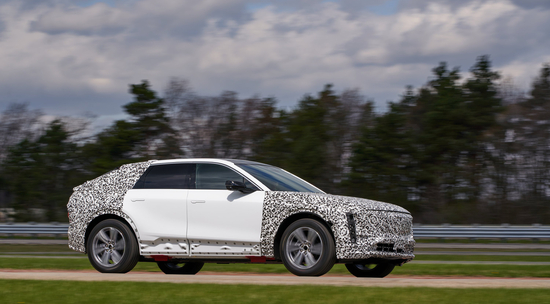
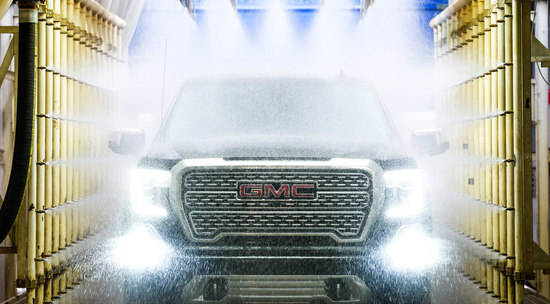

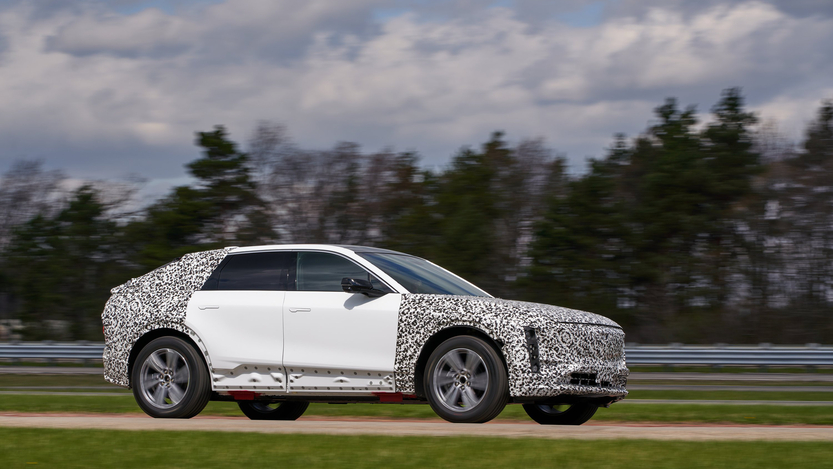
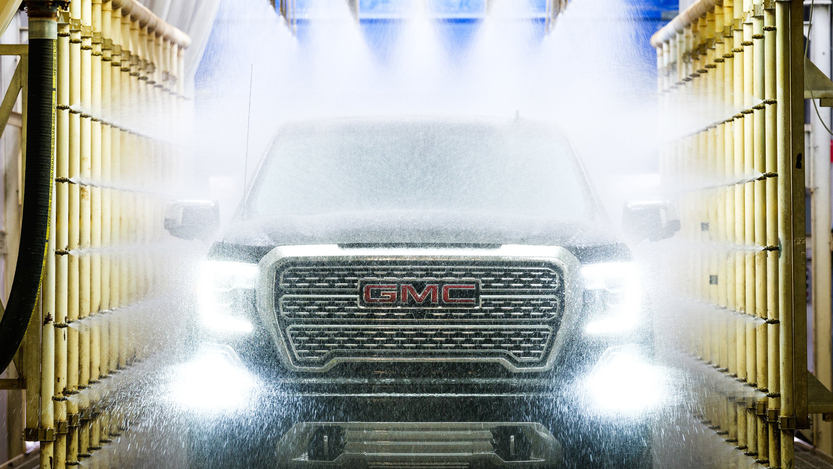
The teams at the General Motors Advanced Design and Innovation campus in Pasadena, CA, are charged with exploring future transportation, technology and consumer trends and creating conceptual mobility solutions that inspire and inform program teams across the company.
Similar Jobs at General Motors
Automotive • Big Data • Information Technology • Robotics • Software • Transportation • Manufacturing
The Senior Environmental Engineer leads the Metal Removal Fluids strategy, ensuring compliance, governance, and performance across global propulsion operations, while overseeing technical aspects and engaging with cross-functional teams.
Top Skills:
Chemical ManagementCoolant ManagementHealth And Safety PracticesMetal Removal Fluids
Automotive • Big Data • Information Technology • Robotics • Software • Transportation • Manufacturing
Develop large-scale Foundation Models for Autonomous Driving & Robotics, collaborating with teams, optimizing model performance, and mentoring junior members.
Top Skills:
SparkHuggingfaceNumpyOpenai GptPandasPyTorchTensorFlow
Automotive • Big Data • Information Technology • Robotics • Software • Transportation • Manufacturing
The District Manager, Sales leads GM dealerships in the Interior BC, drives retail sales performance, improves customer satisfaction, and grows revenue by building relationships and utilizing analytical insights.
What you need to know about the Los Angeles Tech Scene
Los Angeles is a global leader in entertainment, so it’s no surprise that many of the biggest players in streaming, digital media and game development call the city home. But the city boasts plenty of non-entertainment innovation as well, with tech companies spanning verticals like AI, fintech, e-commerce and biotech. With major universities like Caltech, UCLA, USC and the nearby UC Irvine, the city has a steady supply of top-flight tech and engineering talent — not counting the graduates flocking to Los Angeles from across the world to enjoy its beaches, culture and year-round temperate climate.
Key Facts About Los Angeles Tech
- Number of Tech Workers: 375,800; 5.5% of overall workforce (2024 CompTIA survey)
- Major Tech Employers: Snap, Netflix, SpaceX, Disney, Google
- Key Industries: Artificial intelligence, adtech, media, software, game development
- Funding Landscape: $11.6 billion in venture capital funding in 2024 (Pitchbook)
- Notable Investors: Strong Ventures, Fifth Wall, Upfront Ventures, Mucker Capital, Kittyhawk Ventures
- Research Centers and Universities: California Institute of Technology, UCLA, University of Southern California, UC Irvine, Pepperdine, California Institute for Immunology and Immunotherapy, Center for Quantum Science and Engineering
